If you have lived in Quincy for more than a winter or two, you already know the weather here is not gentle on a house. Cold snaps come in fast, the ground freezes and thaws over and over, and a big rain can turn a quiet side street into a small river. Most homeowners never think about how any of that reaches the plumbing under the kitchen sink or in the basement floor. It does, and it usually shows up as a slow drain or a backup right when you least want one.
We work across Quincy every week, and the patterns repeat. The same few problems show up after a hard freeze, after a storm, and during the first warm, soaking weeks of spring. Below is how the local climate tends to affect plumbing, season by season, and what you can do about it before a small problem turns into a weekend emergency.
Why older Quincy homes feel the weather more
Most homes in Quincy were built around 1959, and about 52% of them predate 1960. That matters. Many of those houses still have original drain lines, and depending on the age and material, those lines can be more brittle, more prone to root intrusion, or simply worn thin on the inside where grease and soap have built up for decades.
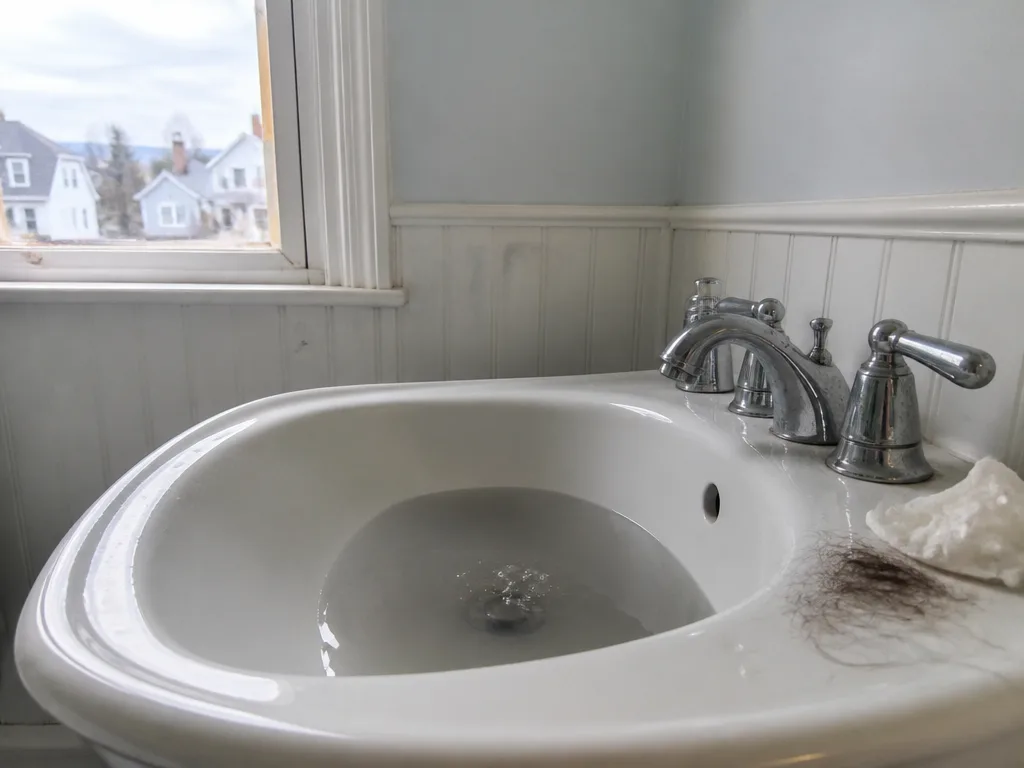
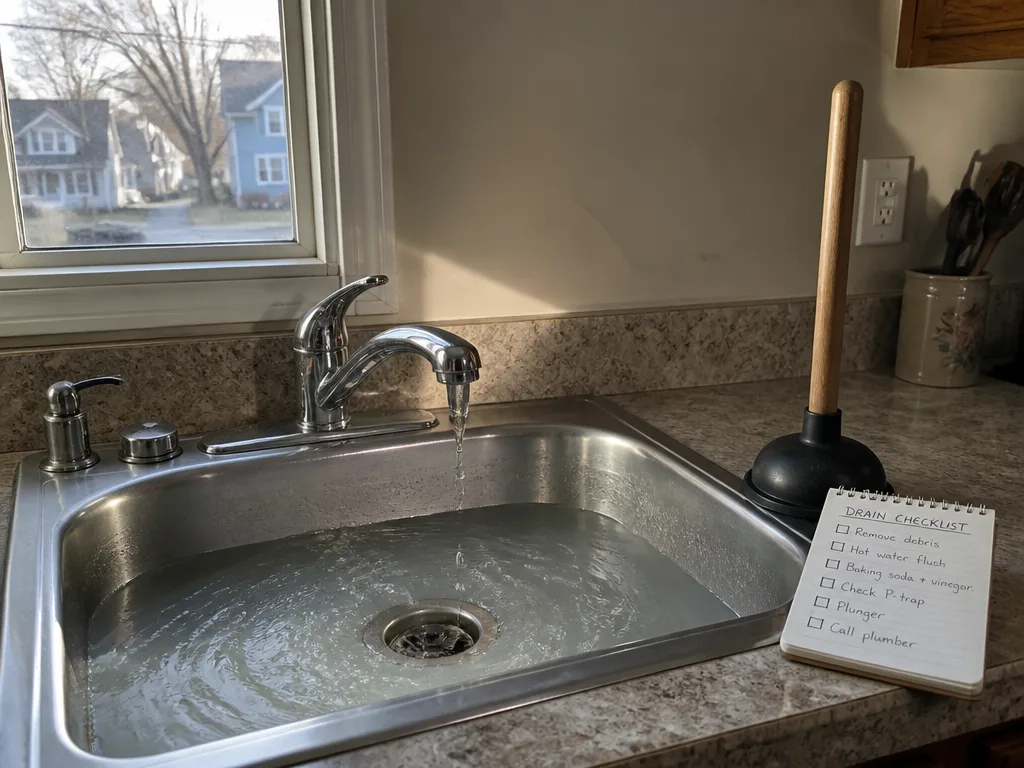
Age does not mean a house is doomed. It does mean the margin for error is smaller. A line that moved a little during a freeze, or that already had a sag from settling, will catch debris that a newer system would carry right past. If your home is from that era and you notice gurgling, slow drains in more than one fixture, or water backing up when another faucet runs, take that seriously. Those symptoms often point to the main line instead of a single clogged sink.
Winter: freezing ground and cold snaps
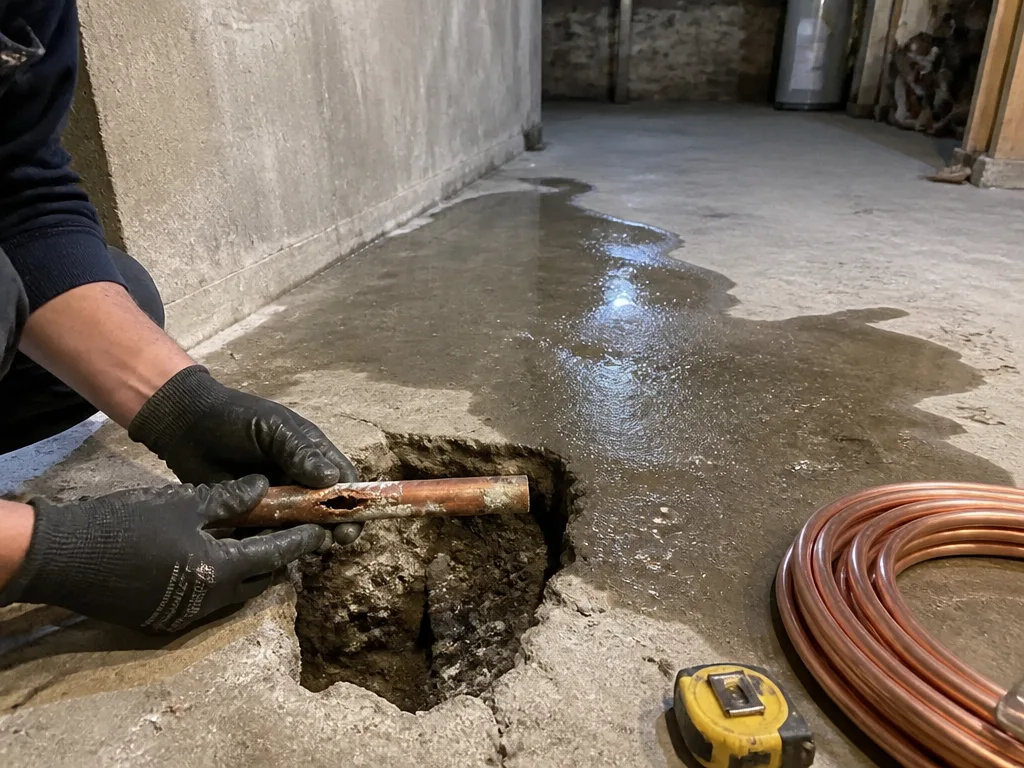
Massachusetts winters swing between thaws and hard freezes, and that cycle is the biggest seasonal stress on plumbing in Quincy. When the ground freezes, the soil around buried lines contracts and shifts. When it thaws, it moves again. Over time, that movement can crack joints or open small gaps where roots and debris find their way in.
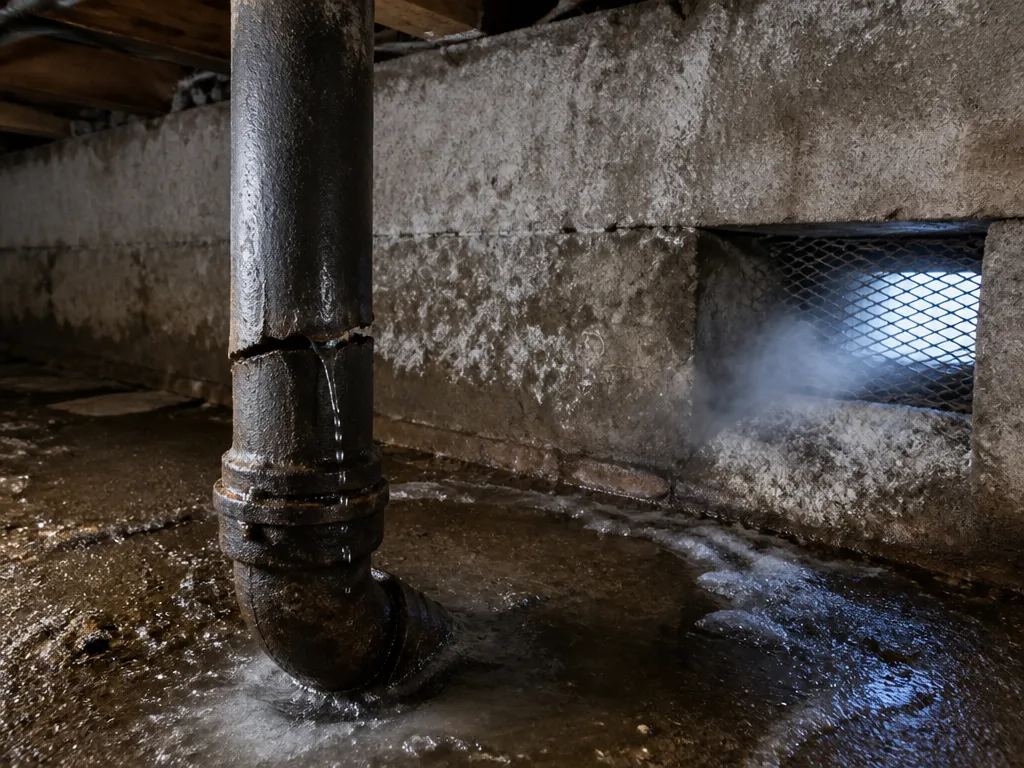
Exposed lines are the other winter problem. Basements, crawl spaces, and exterior walls on the north or east side of a house can dip below freezing during a cold snap, especially if the house has gaps near the sill plate or an old window that lets air slip in. Water sitting still in a cold line can freeze, and once it does, it expands. That is how a simple cold week turns into a burst line in the spring.
Here is what helps:
- Keep your heat set steady, even when you are away for a few days. Dropping the thermostat into the 50s is the setup that lets lines freeze.
- Open cabinet doors under sinks on exterior walls during the coldest nights so warm air reaches the supply lines.
- Let a faucet drip slightly on the coldest nights if you have had trouble on that side of the house before. Moving water is harder to freeze.
- Learn where your main shutoff is and make sure everyone in the house knows how to use it.
Ice storms, wind, and power loss
FEMA's National Risk Index rates Norfolk County as relatively high for ice storms, and NOAA logged 15 damaging wind reports across the county from 2022 to 2024. Ice and wind knock out power, and that changes how plumbing behaves. A house on a well or with a sump pump can lose water pressure or drainage capacity in a hurry, and a sump that quits during a storm is one of the most common causes of basement water we see.
If your home relies on electricity for heat, a long outage also means a longer window where pipes can freeze. Roughly 29% of Quincy homes heat with electricity, and when the power is out, the heat goes with it. Electric heat homes should have a plan for keeping the water moving during an outage, even if that just means knowing which lines to drain and when.
Gas-heated homes, which make up about 55% of Quincy, have their own considerations. If you lose power, check that your gas water heater and any gas appliances are safe to use before you assume everything else is fine. When in doubt, shut things down and call a plumber rather than guessing.
Spring: heavy rain and the water table
Spring is when Quincy's drainage gets tested. Snowmelt, April showers, and nor'easters push a lot of water into the ground at once. When the ground is saturated, water has nowhere to go, and it finds the path of least resistance. For a lot of homes that means floor drains, basement cleanouts, and sewer connections that were never designed to handle that much flow at the same time.
NOAA's Norfolk County records show 16 flood reports from 2022 to 2024, and FEMA rates the county relatively high for both inland and coastal flooding. Those numbers translate to real life on the plumbing side. Surcharging sewers, where water backs up from the street into a house, are the reason some basements have floor drains that gurgle after heavy rain.
If that has happened to you, a few practical steps help. Keep the area around your cleanout clear. Do not pour grease or wipes down drains during the wet season, because they settle in slow lines and combine with rainwater to create a clog. And if you notice water rising in a floor drain after a storm, stop running water in the house until it drains down, then give us a call so we can look at what is slowing the flow.
Summer: dry soil, roots, and heavy use
Summer looks like the easy season, but it creates its own trouble. Dry spells shrink the soil, and then a sudden downpour soaks it back up. That cycle moves buried lines, and tree roots follow the moisture. Maples and older trees common in Quincy neighborhoods will send roots toward any joint that leaks even slightly, and once they get in, they grow fast.
Summer also brings more guests, more laundry, longer showers, and sometimes a dishwasher running every night. All that extra water hits lines that already have less room than you think. If your drains are slow in July, that is often the first sign that roots or buildup have narrowed the line.
Fall: leaves and the rush before winter
Fall leaves are more than a yard chore. Leaves wash into yard drains, storm grates, and the low spots where water collects. Once they are wet and packed, they block the flow that keeps water moving away from the house. Clear the leaves around any exterior drain you can reach, and check that water is leaving the yard instead of pooling near the foundation.
Fall is also the best time to get ahead of winter. Before the first hard freeze, make sure exposed lines are insulated, check that your main shutoff turns freely, and run water in every fixture to catch slow drains early. Small fixes in October cost far less than emergency work in January.
When to call a plumber in Quincy
Some plumbing problems can wait a day or two. Others cannot. Call a plumber right away if you notice water backing up into more than one fixture, sewage smells near floor drains, water pooling around the foundation after rain, a sudden drop in water pressure, or any sign of water where it should not be after a freeze. Those are the moments when waiting makes the damage worse.
For slow drains, recurring backups, or anything you are not sure about, give Quincy Clogged Drain Repair a call. Tell us what you are seeing, when it started, and whether it follows the weather, and we will help you figure out the next step. The phone is the best way to reach us, and the sooner you call, the easier it is to get on the schedule before the next storm or cold snap rolls in.