Quincy has a lot of older houses. Triple-deckers in Wollaston, Cape-style homes off Sea Street, and plenty of colonials that have been standing since before anyone thought about garbage disposals. Those houses have character, and they also have drain lines that have seen a century of grease, hair, and whatever else got flushed. When a sink or tub starts acting up, a lot of people assume the fixture is the problem. Usually it isn't. It's the line behind it.
Our team at Quincy Clogged Drain Repair gets calls every week from homeowners who thought they needed a new vanity or a new tub surround. Sometimes they did. More often, a slow drain that got ignored for a season turned into a backup, and the damage spread to the point where the fixture had to come out to get at the line. The checklist below is what we tell people to do so that doesn't happen to them.
Start with what goes down the drain
Most clogs we clear in Quincy kitchens are grease. It looks harmless when it's hot and liquid. Then it cools in the trap and turns into something close to soap scum with a lot more staying power. Pour bacon fat, oil, and gravy into a jar and throw it in the trash after it sets. Wipe pans with a paper towel before they go in the sink.
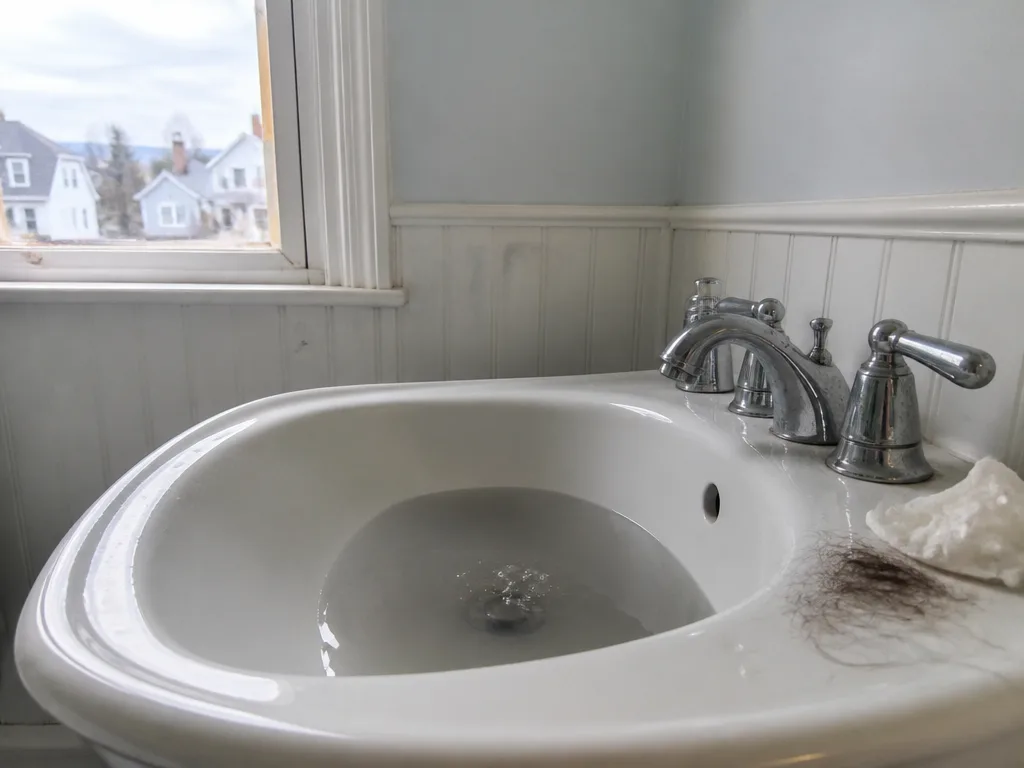
Bathrooms are the other big source. Hair is the worst offender, especially in shower drains where it tangles around the stopper and catches soap. A cheap mesh screen over the drain catches most of it. Empty it every week or two. It takes thirty seconds and saves a lot of trouble.
Some things should never go in a drain at all, no matter how well you flush after. Coffee grounds, eggshells, paper towels, cotton balls, dental floss, and anything labeled "flushable" wipes. That last one catches people off guard. Those wipes don't break down the way toilet paper does, and they build up in older lines faster than you'd expect.
A monthly routine that takes ten minutes
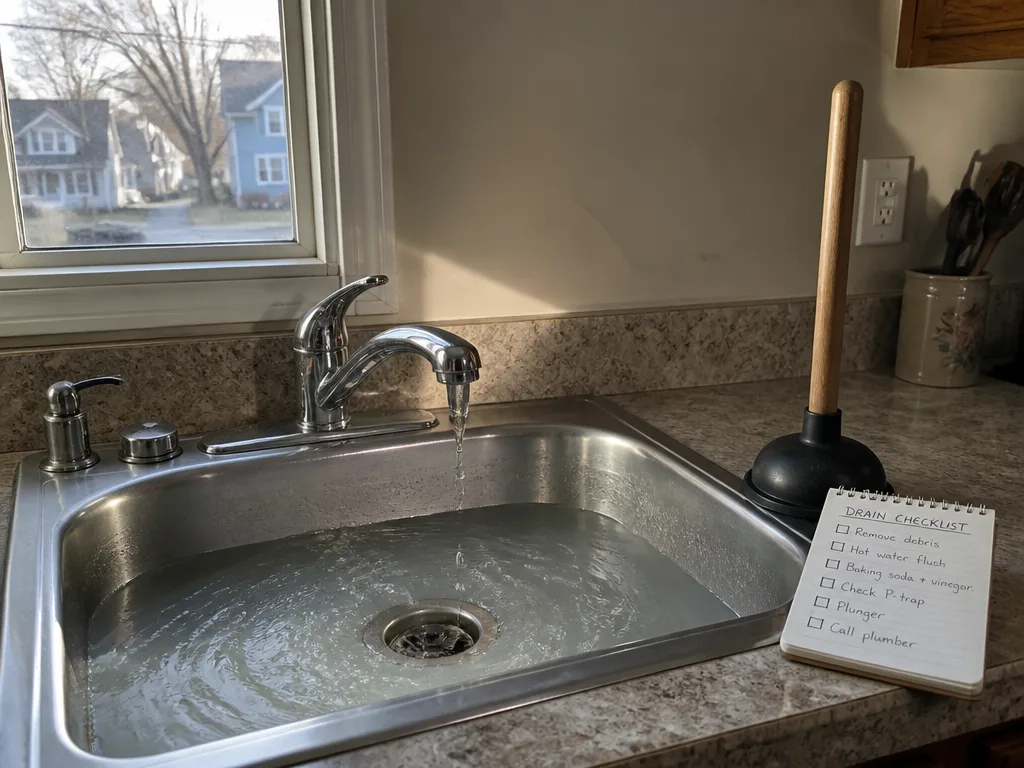
You don't need to become a plumber to keep drains moving. A short routine once a month handles most of the early warning signs.
- Pour a kettle of hot (not boiling) water down each kitchen and bathroom drain to loosen light grease.
- Pull the stoppers and clean off the hair and soap buildup you can reach by hand.
- Run each fixture for a minute and watch how fast the water leaves. Slow draining that gets worse over a few weeks is the signal to act.
- Check the floor around the base of toilets and under sinks for any dampness.
Skip the chemical drain openers. They can sit in the line, generate heat, and wear on older pipes, and they rarely fix a real blockage. If a drain is slow enough that you're reaching for the bottle, that's the point to call someone who can look at the line.
Watch for the signs that a clog is getting deeper
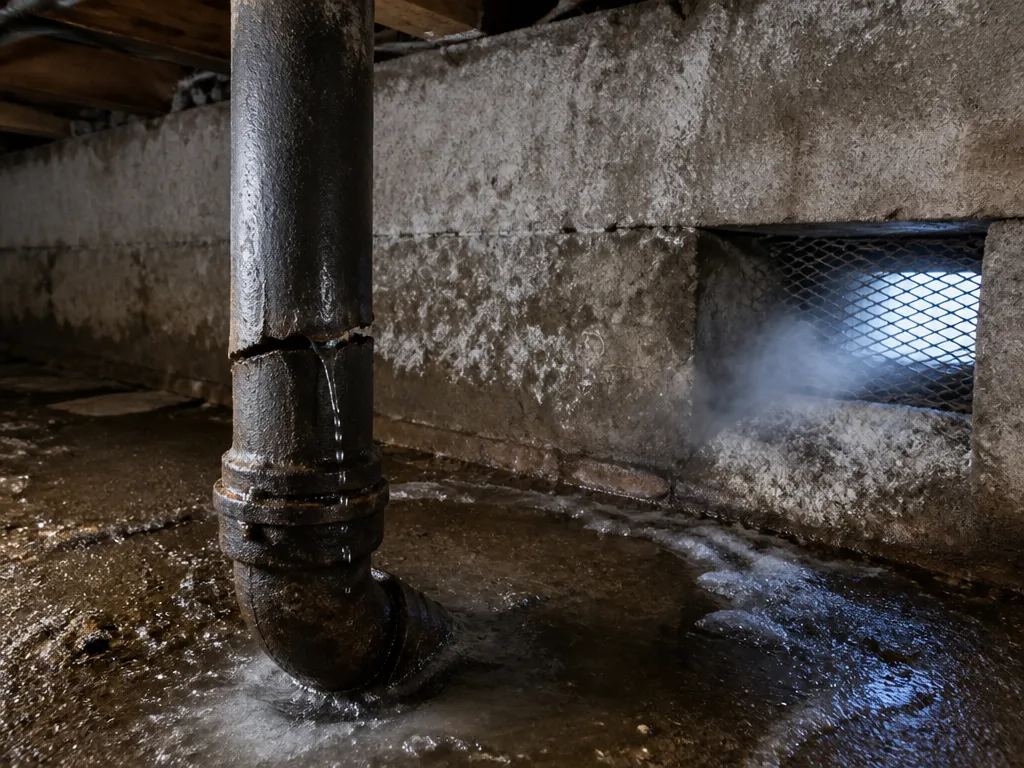
A single slow sink is usually just a clog near the trap. Several slow drains at once, or a gurgling sound from a fixture when another one drains, points further down the line. In Quincy, where many homes share older main lines with neighbors, that can mean the blockage is in the shared section. Don't ignore it and hope it clears up on its own.
Other things worth noticing:
- Water backing up into a tub when the toilet flushes or the washer drains.
- A sewer smell near floor drains or the basement, especially after rain.
- Toilets that gurgle or take more than one flush to clear.
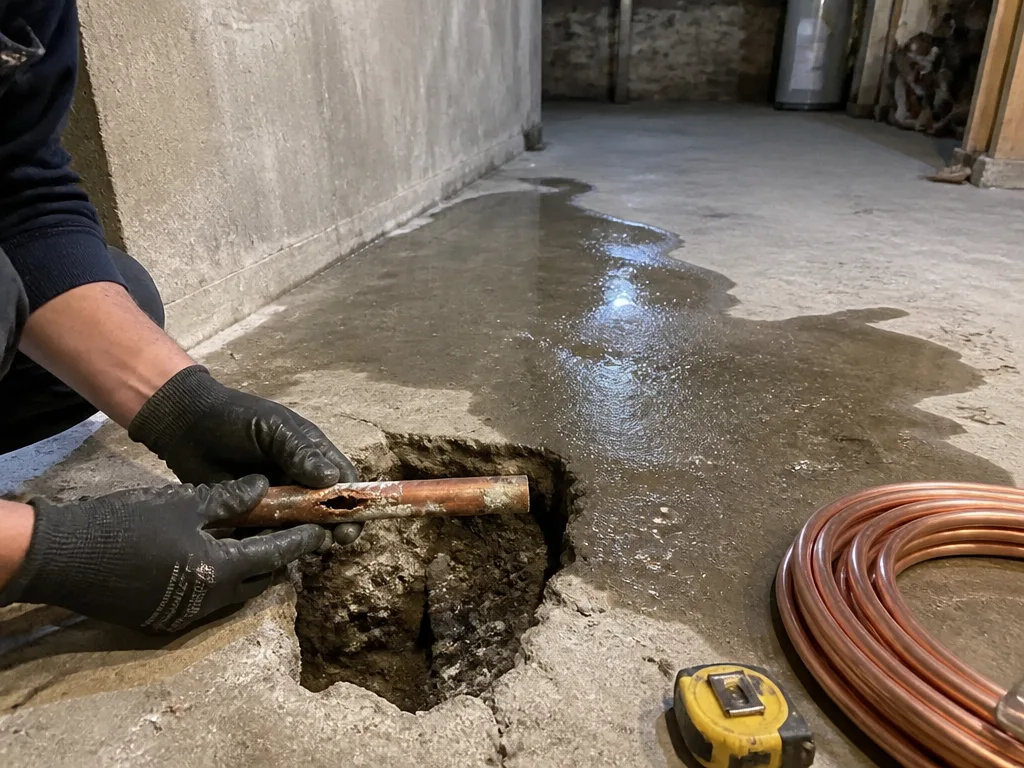
Catching these early is the difference between a cable run that clears the line and a tear-out where the fixture has to come off to reach the pipe. The second one is the one that gets expensive and disruptive.
Small habits that protect the fixtures you already have
Fixture replacement is often the result of a drain problem that spread. A few habits keep the parts around the drain in good shape too. Use a drain stopper that seals properly so water doesn't leak under the vanity. Tighten the slip nuts on the P-trap by hand after you clean it, and check the washer inside for cracks. Run cold water while using the garbage disposal, and let it run for a few seconds after you turn it off so the food clears the line.
Take a look at the caulk around tubs and sinks twice a year. Cracked or missing caulk lets water seep into the subfloor and cabinet base, and that's how a small drip turns into a rotten floor that needs new fixtures and new framing.
If you're in an older Quincy home and you know the drain lines haven't been looked at in years, that's worth a phone call before you start remodeling. A quick look at the line now can tell you whether the bathroom you're planning needs new fixtures or just needs the drain cleared first.
When to call Quincy Clogged Drain Repair
If the monthly routine stops working, or if you've seen the warning signs above more than once, give us a call. Our plumbers can clear the line, check where the blockage sits, and tell you plainly what they found. You can reach us by phone, and we can usually fit you in for the same week if you need it. Getting a drain looked at early is almost always cheaper and less disruptive than waiting until the fixtures have to come out.