
Whole-Home Repiping for Quincy Homes
If your water pressure drops every time someone runs the shower, or you keep finding rusty-looking water in the morning, your Quincy home may be due for whole-home repiping.
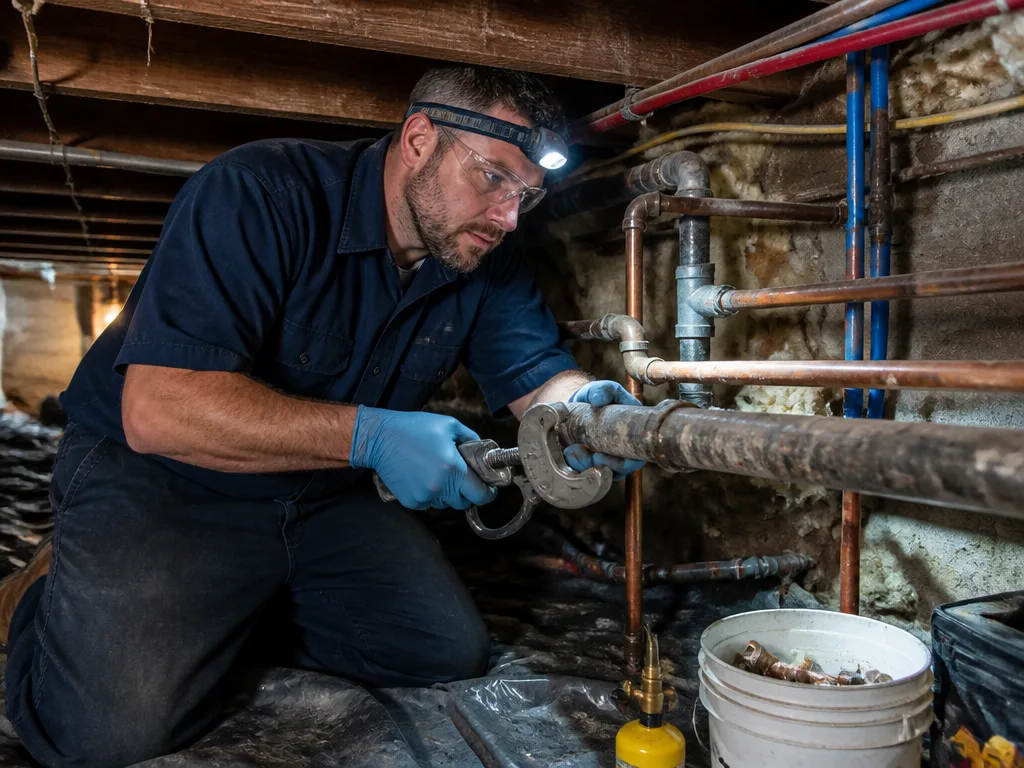
About whole-home repiping
Whole-home repiping means replacing the water supply lines that carry fresh water from your main shutoff to every sink, toilet, shower, tub, washing machine connection, and water heater in the house. Instead of patching one leak at a time, the work addresses the entire network at once, which is why it suits homes where problems keep appearing in different rooms. Our plumbers begin by confirming the age and material of your current lines, mapping the route through walls, floors, and crawl spaces, and identifying the access points that need to be opened. Once the new lines are installed, they are pressure tested to confirm everything holds before walls are closed up. Repiping is a strong fit for owners of older Quincy properties, homeowners preparing to sell, and anyone who has already repaired the same leak more than once. We also explain how the project will affect daily routines so you can plan around water shutoffs.
Signs you need whole-home repiping
- Water pressure noticeably drops when two fixtures run at the same time, such as a shower and a kitchen faucet.
- Rusty, brownish, or discolored water appears from cold taps, especially after the house has been empty for a while.
- You have had several small leaks in different rooms over the past few years, all tied to supply lines.
- Pinhole leaks, green corrosion, or white mineral crust show up on exposed copper or fittings under sinks.
- Hot water takes much longer to arrive at the bathroom or kitchen than it did when the home was newer.
- Your home was built before the 1960s and still has its original galvanized steel supply lines in the walls.
Why choose Quincy Clogged Drain Repair?
- Our plumbers know the older housing stock across Quincy well, including how supply lines were typically routed in multi-family and single-family homes.
- We explain the proposed route, materials, and sequence in plain language before any work begins, so you can make an informed decision.
- Each project includes a clear written estimate that lists the scope of work, so you are not surprised by changes partway through.
- Our team protects your floors, walls, and belongings during access work, and we clean up the job site before we leave.
- We test every new line under pressure before closing walls, so you can see that the system holds before we call the project complete.
- You will get straightforward answers to your questions about water shutoffs, timing, and what daily life will look like during the project.
From phone call to finished job
Four straightforward steps. No upsells.
Our phone intake covers the symptoms, the age of the house, and whether other fixtures are slow, so the plumber knows what to expect in Quincy.
On arrival, the plumber checks the trap, the cleanout, and the drain at the fixtures to confirm where the blockage actually sits before any work starts.
Using augers or hydro-jetting, the plumber clears the buildup and runs water through to confirm the flow is steady, then tests the drain a second time.
You receive a written summary of the cause and the work done, and you can call the team afterward with any questions about how the drain is behaving.
What you get
Water pressure stays steady across the whole house, so showers, dishwashers, and laundry work at the same time without competing.
Old corroded runs are removed, which lowers the chance of sudden leaks that can soak floors, cabinets, and ceilings below.
Clean, new supply lines help keep drinking and cooking water free of the rust and sediment that older metal lines release.
Replacing lines on your schedule prevents the stress and cost of emergency repairs at inconvenient times of the day or night.
A documented repiping project gives future buyers confidence that the home's plumbing has been updated and tested.
Hot water reaches fixtures more quickly and consistently, which can reduce wasted water while you wait at the tap.
Talk to a local pro now
(617) 928-8524Questions about whole-home repiping
Don't see your question? Call (617) 928-8524 and we'll answer it.
How do I know if my Quincy home needs whole-home repiping?
The clearest signs include repeated leaks in different rooms, rust-colored water from cold taps, and a noticeable drop in pressure when multiple fixtures run together. If your home was built before the 1960s, it may still have galvanized steel supply lines that are reaching the end of their useful life. Our plumbers can inspect the lines and explain your options honestly.
How long does a whole-home repiping project usually take?
Timing depends on the size of the house, the number of fixtures, how many walls need to be opened, and the layout of the existing lines. Many projects are completed over several days, and we walk you through the expected schedule during the estimate. We will also tell you ahead of time when water will need to be shut off so you can plan around it.
Will my walls and floors be damaged during the work?
Some access openings are usually necessary to reach old lines and route new ones, but we plan those openings to be as small and well placed as possible. Our team protects floors and nearby surfaces during the work and cleans the area before leaving. We discuss any patching or finishing needs in your estimate so you know what to expect before the project begins.
Can you repipe only part of the house instead of the entire home?
Yes, in some cases partial repiping makes sense, such as when one section of the home has the most severe corrosion or leaks. During your inspection, our plumbers will review the condition of each line and recommend whether a partial or full project is the better choice. We will explain the trade-offs clearly so you can decide what fits your home and budget.
Do you provide a written estimate before starting the project?
Yes, every repiping project begins with a written estimate that outlines the scope of work, the materials to be used, and the expected sequence of tasks. We review the estimate with you before any work starts and answer any questions you have. If anything changes during the project, we discuss it with you before proceeding so there are no surprises on the final bill.
Need whole-home repiping today?
Real local plumbers. Careful work. One call away.