Most clogged drains are annoying but not dangerous. A slow bathroom sink or a tub that takes a few extra minutes to empty can sit for weeks before anyone bothers with it. Some drain problems, though, are really the early warning of something bigger, and in Quincy's older houses that something can get expensive quickly. This post walks through the signs that a clog needs attention now, and what you can safely do while you wait for help to arrive.
Signs the clog is more than a nuisance
The first thing we look for is how many fixtures are affected. One slow sink usually means a clog in that sink's trap or a short run of pipe. When the shower, the kitchen sink, and the basement laundry tub all slow down at the same time, the blockage is almost always farther down the main line. That is not a DIY job with a plunger.
Gurgling is the next big clue. If you flush the toilet and hear bubbling from the tub drain, or the sink burps when the washing machine drains, air is being pushed back up through the system because water has nowhere to go. Once you hear that, the problem has moved past the fixture and into the shared lines.
Sewage smell is the one that should move you to the phone. A rotten egg or sewer odor coming up through a floor drain, especially in a cellar, usually means waste is sitting in the line instead of moving through it. Do not ignore a smell that comes and goes. It tends to get stronger, not weaker.
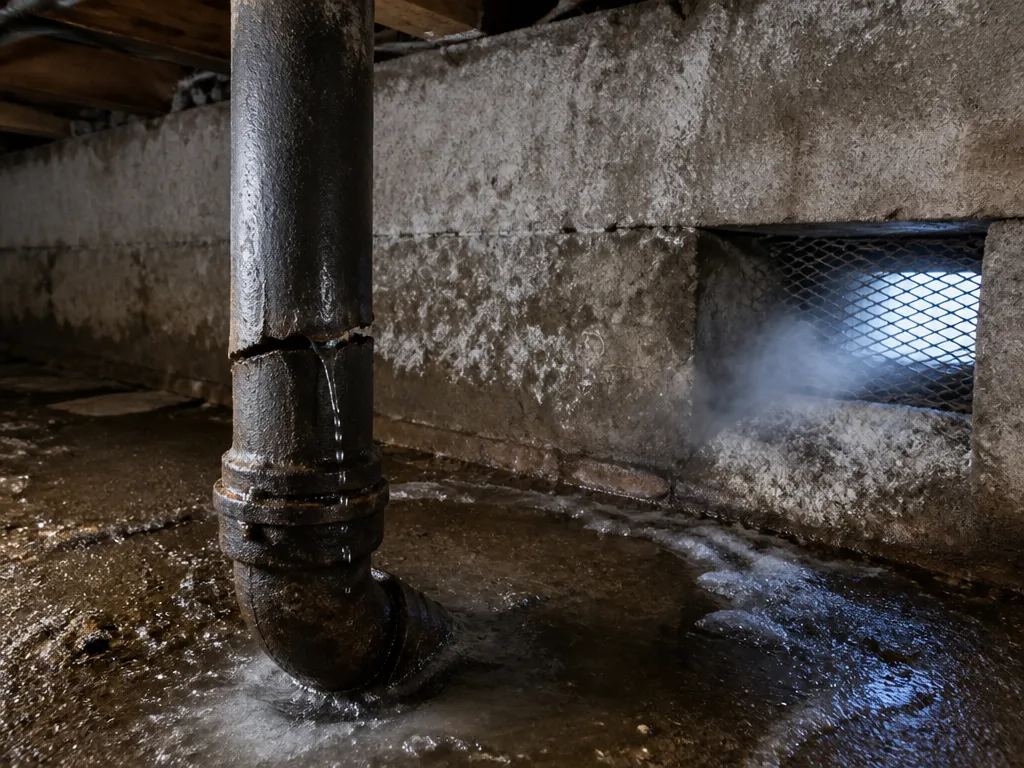
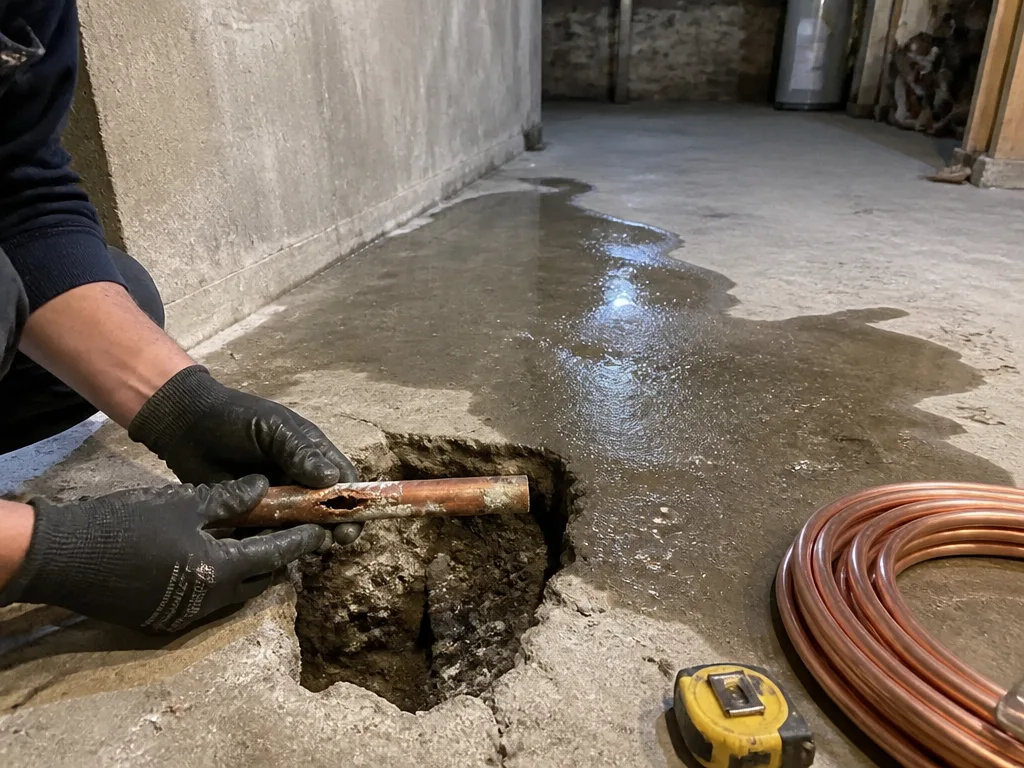
Watch for water showing up where it should not. Damp spots on a basement floor near a drain, staining on a ceiling below a bathroom, or a toilet that rises a little when another fixture is used all point to a blockage that is under pressure. Any of these means the drain needs a plumber today if possible.
A quick checklist
- More than one fixture draining slowly at the same time
- Gurgling from a tub, floor drain, or toilet when another fixture runs
- Sewer smell that lingers or gets worse over a day or two
- Water backing up into a basement floor drain or shower
- A toilet that bubbles or fills higher than normal after flushing
If you see two or more items from that list, treat it as urgent. A single slow sink can wait a few days. A line that is backing up cannot.
What to do while you wait for help
Stop adding water to the problem. This is the single most useful thing you can do. Every time you run a shower, flush, or start the dishwasher, you push more waste toward the blockage. If the toilet is backing up, stop flushing it. If the tub is draining slowly, skip the long bath until the line clears.
Shut off the washing machine too. Laundry drains a large volume of water in a short burst, and that is exactly what a partly blocked line cannot handle. Doing a load of towels while you are waiting for a plumber can turn a slow drain into an overflow on your floor.
Keep the area clear and ventilated. If you smell sewer gas, open a window and keep kids and pets out of the room until someone has looked at it. Do not use a chemical drain cleaner, especially if the water is already standing. Those products can splash, they can damage older pipe joints, and they make it harder for a plumber to see what is actually in the line.
Things that help without making it worse
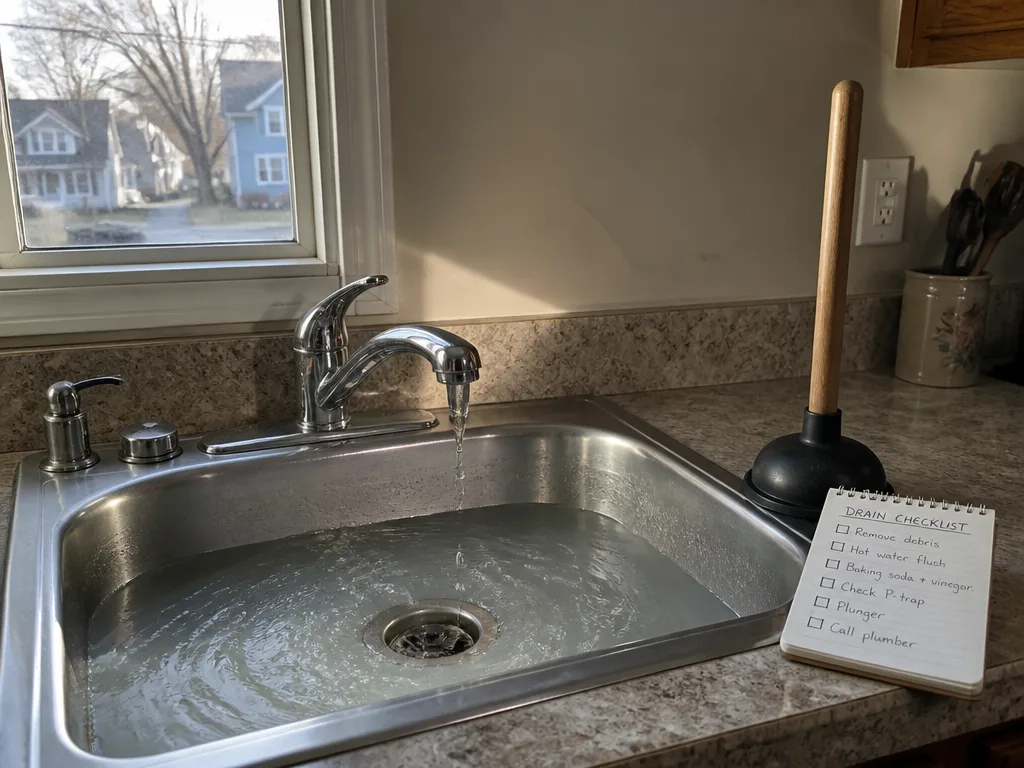
If a single sink is slow and nothing else is involved, a hand plunger can sometimes break up the clog. Use a cup-style plunger on the sink, cover the overflow hole with a rag, and push and pull steadily for about twenty seconds. Run hot water afterward to see whether it cleared. If it did not, stop there.
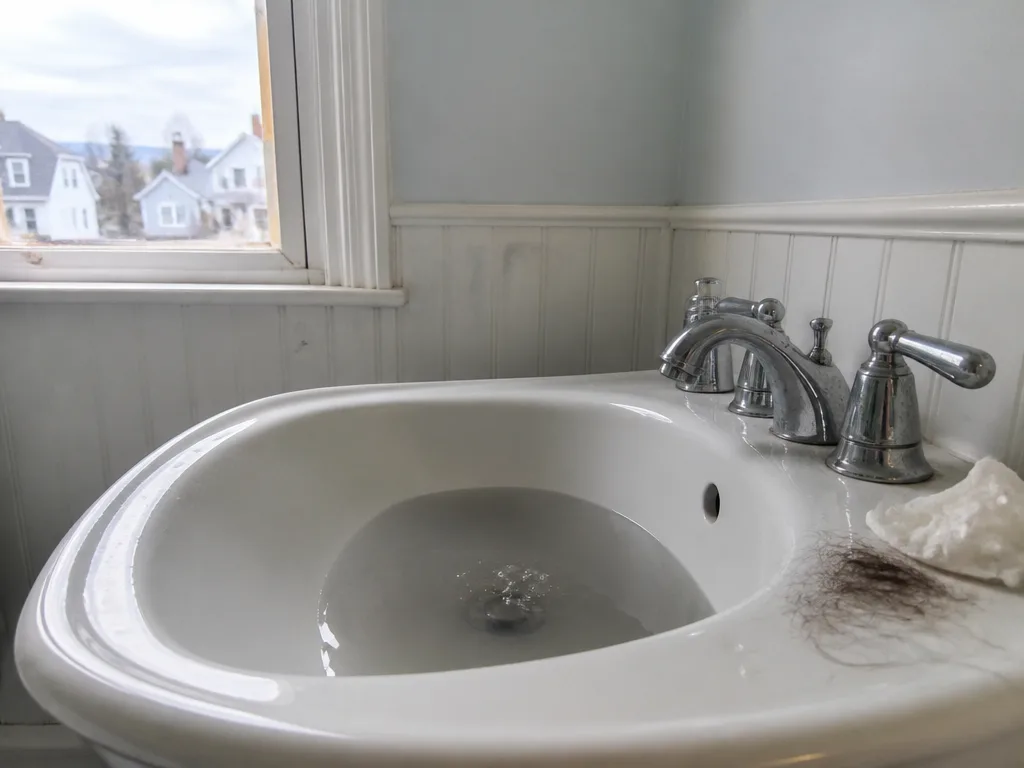
Clear out the pop-up stopper and the pipe under the sink if you can reach them. A bathroom sink often has a plug of hair and soap sitting right below the stopper, and pulling it out with a bent wire or a plastic drain tool solves a surprising number of calls. Put a bucket under the trap first, since it will drip.
Check your cleanout if your home has one. In many older Quincy houses the main sewer line has an outdoor or basement cleanout cap. If the cap is stuck or you are not comfortable opening it, leave it alone. Opening a cleanout while the line is under pressure can send waste onto the ground or into your basement, and that is a mess nobody wants to clean up.
Why older Quincy homes need extra attention
A lot of the housing stock around Quincy, from Wollaston up toward Squantum and along the older streets near the center, has drain lines that have been in the ground for decades. Cast iron, clay, and older galvanized sections can build up scale and root intrusion over time. A clog that would clear in a newer home can keep coming back in an older one, because the line itself has narrowed.
That is why a repeated clog is a signal, not just bad luck. If you have had the same drain back up two or three times in a year, the cause is probably in the line rather than in the fixture. Cutting a single clog out does not solve that. Our team looks at the whole run, asks when the trouble started, and tells you honestly what it looks like before anything gets torn open.
Tree roots deserve a special mention. Older Quincy neighborhoods have plenty of mature trees, and roots find small cracks in clay and old joints. If your slow drains came with a sudden toilet backup after a dry stretch, or if a particular floor drain keeps filling after rain, roots are a real possibility. That is something a plumber can confirm quickly and it changes the plan completely.
Getting help from Quincy Clogged Drain Repair
When you call Quincy Clogged Drain Repair, have a few details ready. Tell us which fixtures are slow, whether you hear gurgling or smell sewer, when the problem started, and whether it has happened before. Those answers help us figure out whether we need to bring the right tools on the first trip. You do not need to know what is wrong with the pipe. That is our job.
Scheduling is easiest by phone. Call us at the number on our site and describe what you are seeing. We can usually fit a visit in the same week for most drain problems, and we will tell you plainly when a backup means you should not wait. If you are dealing with sewage in the house right now, say so first so we can prioritize.
A clogged drain is one of those problems that gets worse on its own schedule, not yours. Catching the warning signs early, stopping the extra water, and calling a plumber before the line fails completely will save you a lot of cleanup. If anything on the checklist above sounds like your house this week, pick up the phone and let us take a look.